The Expanding Applications of Blockchain Technology:A Comprehensive Overview
The Expanding Applications of Blockchain Technology: A Comprehensive Overview
Blockchain technology, once primarily associated with cryptocurrencies like Bitcoin, has evolved into a transformative force with far-reaching applications across industries. Beyond its foundational role in enabling secure, decentralized transactions, blockchain’s unique features—including immutability, transparency, and decentralization—are being leveraged to solve complex problems in sectors ranging from finance and supply chain management to healthcare and digital identity. This article explores the diverse real-world applications of blockchain, highlighting its potential to revolutionize traditional systems and drive innovation.
Financial Services: Transforming 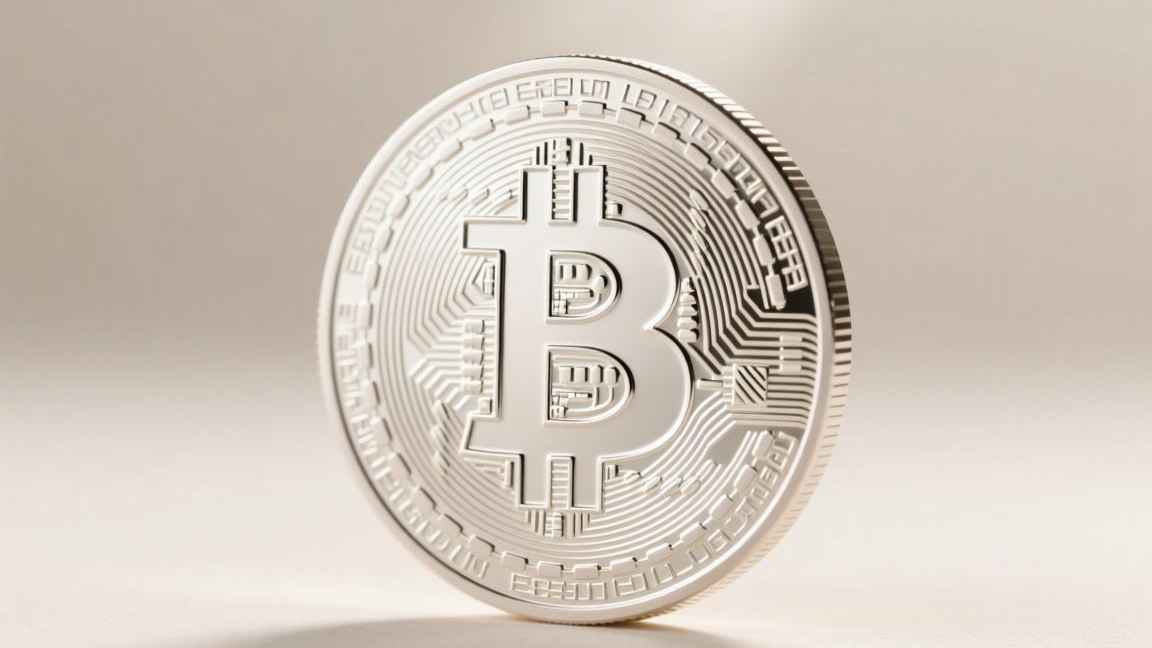 Transactions and Banking
The financial industry was the first to adopt blockchain, and its impact here remains profound. Cryptocurrencies, such as Bitcoin and Ethereum, utilize blockchain to facilitate peer-to-peer transactions without intermediaries like banks, reducing costs and settlement times from days to minutes. Beyond digital currencies, blockchain underpins decentralized finance (DeFi), which offers lending, borrowing, and trading services through smart contracts—self-executing agreements that automate processes without intermediaries. Additionally, cross-border payments, historically slow and expensive, are being streamlined by blockchain networks, enabling faster, cheaper remittances for individuals and businesses worldwide.
Supply Chain Management: Enhancing Transparency and Traceability
Supply chains are often plagued by opacity, making it difficult to track the origin and movement of goods. blockchain addresses this by creating an immutable, shared ledger of transactions from production to delivery. For example, companies like Walmart use blockchain to trace food products, ensuring safety and quality by quickly identifying contamination sources. Luxury brands also leverage blockchain to verify the authenticity of high-value goods, such as designer handbags or jewelry, combating counterfeiting. By providing end-to-end visibility, blockchain not only builds consumer trust but also improves efficiency and reduces fraud in supply chains.
Healthcare: Securing Data and Improving Patient Care
In healthcare, data security and interoperability are critical challenges. blockchain offers a secure solution by enabling patient records to be stored in an encrypted, decentralized manner, giving patients control over their data while ensuring privacy. For instance, MedRec, a blockchain-based platform, allows healthcare providers to access patient records with permission, reducing errors and redundant tests. Additionally, pharmaceutical companies use blockchain to track drugs from manufacturer to pharmacy, preventing counterfeit medications from entering the supply chain. During the COVID-19 pandemic, blockchain even facilitated the distribution of vaccines by ensuring transparency in allocation and logistics.
Digital Identity: Empowering Individuals with Control
Traditional identity management systems are centralized, making individuals vulnerable to data breaches and identity theft. blockchain-based digital identity solutions aim to shift control to users, allowing them to own and manage their personal information securely. For example, projects like Self-Sovereign Identity (SSI) enable individuals to verify their identity (e.g., for opening a bank account or accessing government services) without relying on third-party intermediaries. This not only enhances privacy but also simplifies processes for marginalized populations who lack formal identification documents.
Voting and Governance: Ensuring Integrity and Trust
Blockchain has the potential to revolutionize voting systems by addressing concerns about fraud, tampering, and lack of transparency. By recording votes on an immutable ledger, blockchain ensures that results are accurate and tamper-proof. Trials of blockchain voting have already been conducted in countries like Estonia and West Virginia, demonstrating its feasibility for secure, remote voting. Beyond elections, blockchain is used in corporate governance and decentralized autonomous organizations (DAOs), where token holders vote on decisions, fostering transparency and community-driven governance.
Intellectual Property and Royalties: Protecting Creators
For artists, musicians, and writers, protecting intellectual property (IP) and ensuring fair compensation is a persistent challenge. blockchain enables creators to register their work on a decentralized ledger, establishing proof of ownership and timestamping to prevent plagiarism. Smart contracts can automate royalty payments, ensuring that creators receive a percentage of sales or streams in real-time, without relying on intermediaries like record labels or publishers. Platforms like Audius (for musicians) and OpenSea (for digital art) exemplify how blockchain is empowering creators to monetize their work directly.
Conclusion
From finance to healthcare, blockchain technology is proving to be a versatile tool that addresses inefficiencies, enhances security, and fosters trust across industries. While challenges such as scalability, regulatory uncertainty, and energy consumption remain, ongoing innovations—like the development of scalable blockchains and eco-friendly consensus mechanisms—are paving the way for broader adoption. As organizations continue to explore its potential, blockchain is poised to not only transform existing systems but also unlock new possibilities, driving a more transparent, efficient, and decentralized future.